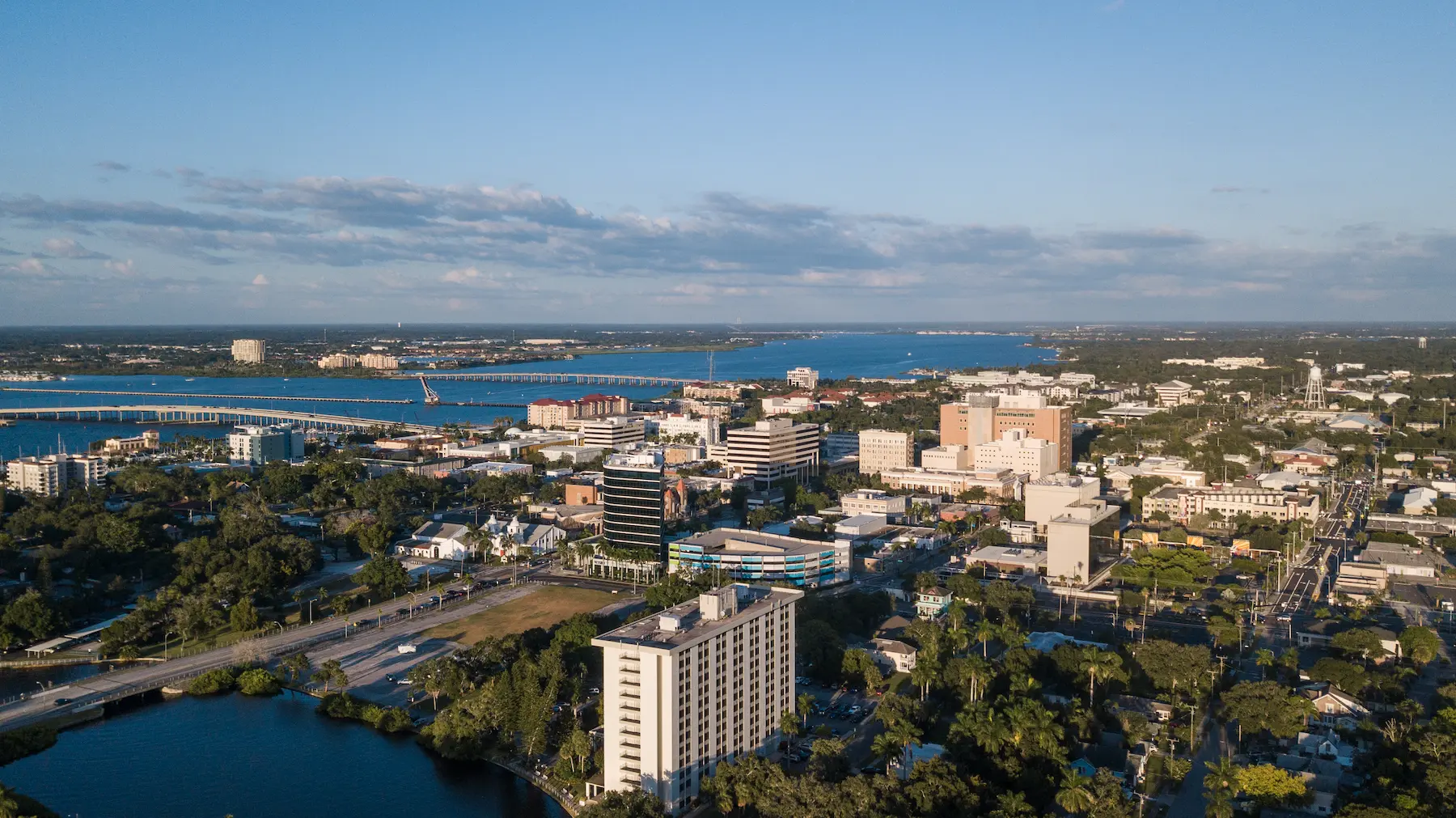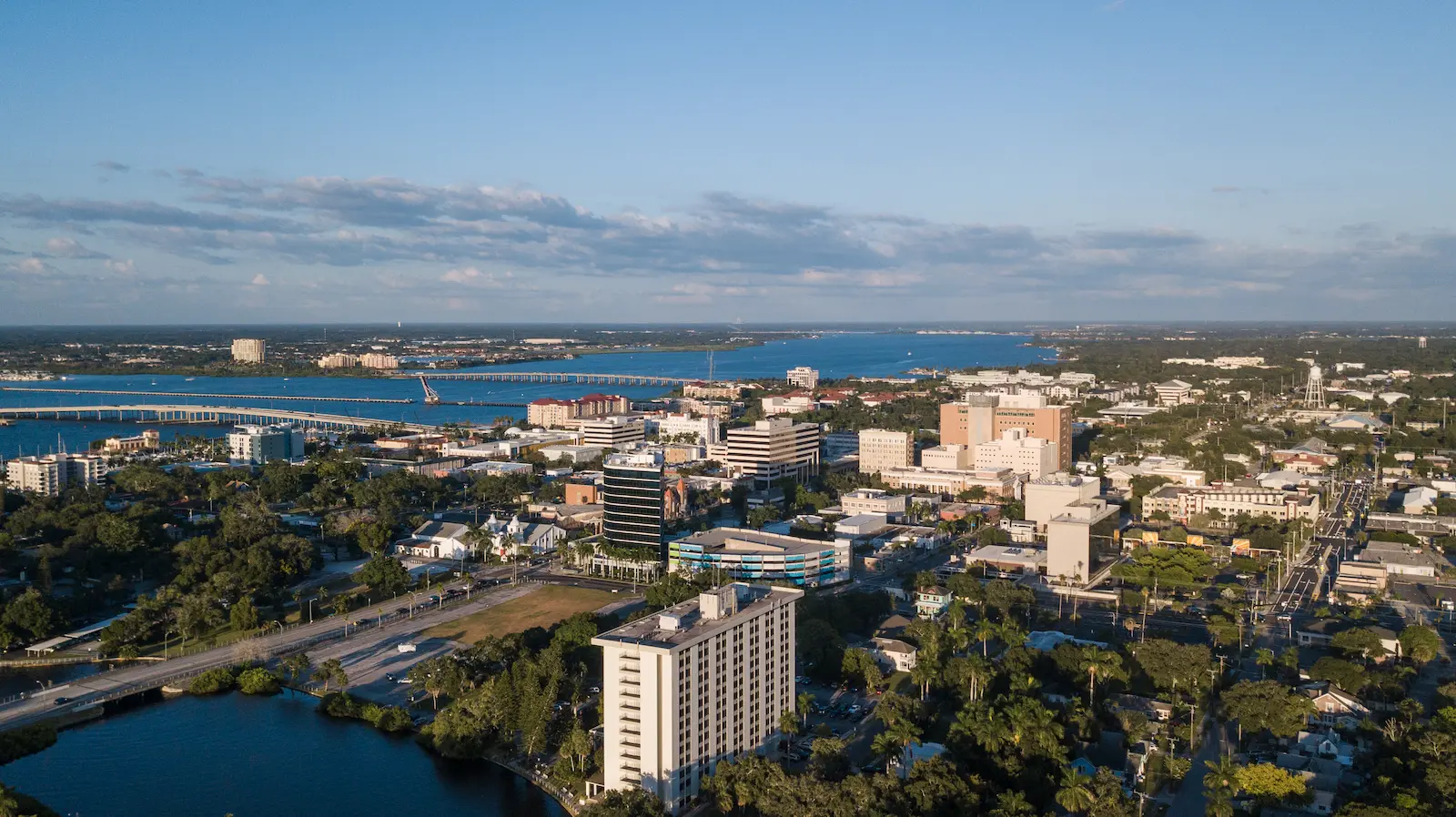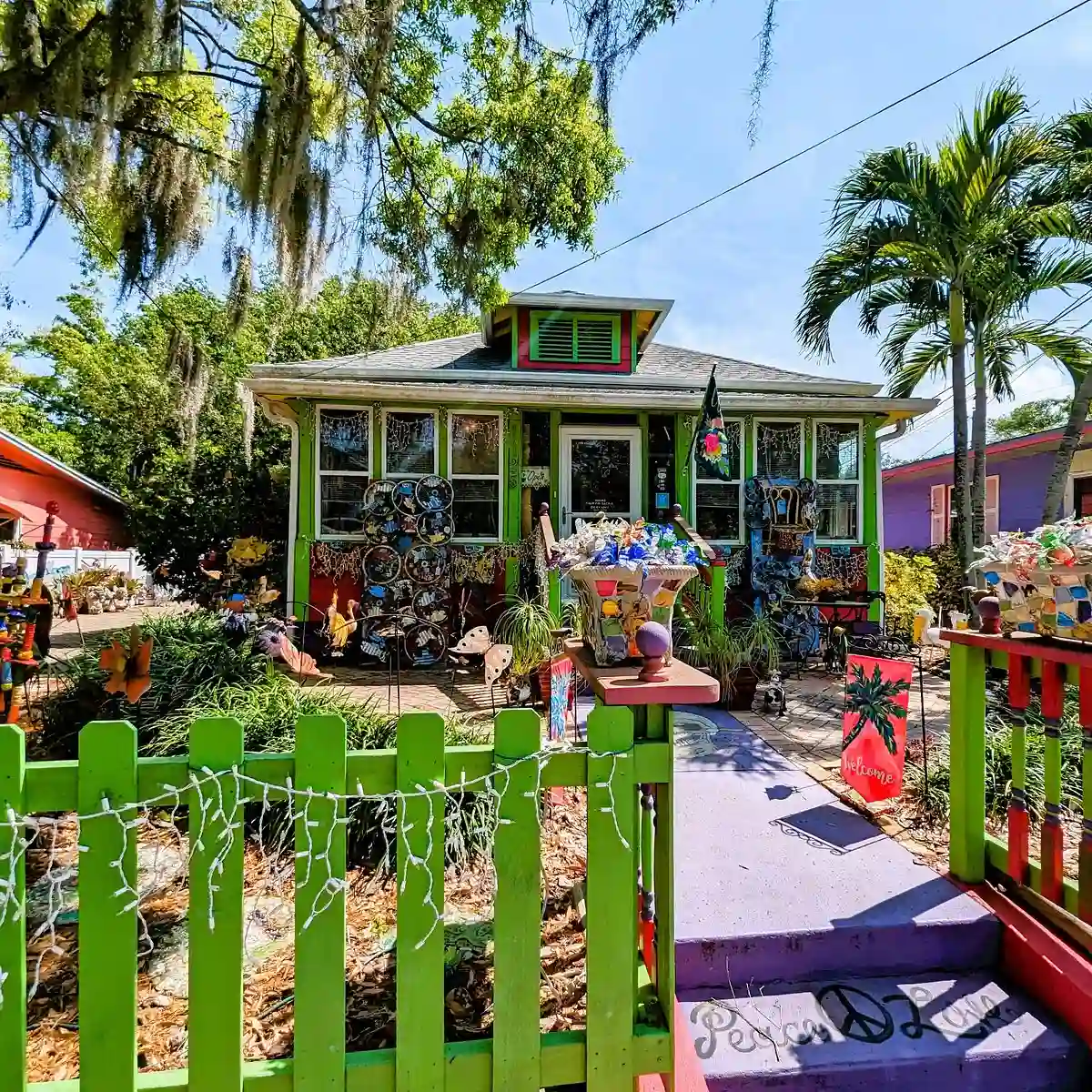
Bradenton pulls in millions of visitors a year. Anna Maria Island, the Riverwalk, the Robinson Preserve and the Village of the Arts. People travel here from Ohio, Michigan, Canada, and beyond specifically to spend money on food, experiences, services, and things they'll bring home.
Most of that money flows to the same handful of businesses. Not necessarily the best ones. The ones that showed up where visitors were looking.
Here's how to be one of them.
At a glance
Manatee County drew 3.8 million visitors in 2023, contributing more than $2.2 billion to the local economy and supporting approximately 30,000 jobs (Bradenton Area Convention & Visitors Bureau).
Tourists search differently than locals. They use phrases like "best restaurants near Anna Maria Island" not "dinner Bradenton"
The highest-converting tourist traffic comes from visitors who research before they arrive, often weeks or months ahead of their trip
Appearing in a local discovery platform like Discover Bradenton puts you in front of that pre-arrival research window
Tourists don't find businesses the same way locals do
Locals search by habit. They already know which neighborhoods they like, they have go-to spots, and they use Google Maps the same way they've used it for years.
Tourists search by curiosity. They're looking for the best, the most local, the most interesting, the most recommended. They search phrases like "best seafood Bradenton," "things to do near Anna Maria Island," "local shops Bradenton FL," and "restaurants with water views Gulf Coast." They land on travel blogs, local guides, visitor platforms, and curated lists, not necessarily on your Google Business Profile.
That distinction matters because it changes where you need to show up. Optimizing for local search is still worth doing, that's the focus of our guide to marketing your business in Bradenton, but it captures the person who already knows to search for your type of business in your area. Tourist traffic comes from a different funnel: discovery-first, then search.
The businesses that consistently pull tourist customers do two things well. They're present in the places tourists browse during the research phase, and they're easy to verify once a tourist finds them.
Show up during the research phase, not just at point of search
Here's the part most local business owners miss. A tourist planning a trip to Bradenton doesn't open Google on the day they arrive and search for a restaurant. They spend weeks, sometimes months, reading about the area. They're in Facebook groups asking for recommendations. They're on travel sites looking at things to do. They're scrolling local event calendars. They're checking Instagram for places that look good in photos.
By the time they land at Sarasota-Bradenton International Airport, they already have a mental list. Your job is to get on that list before they leave home.
That's what a listing on Discover Bradenton does. Visitors use it the same way a traveler uses a local guide, to find out what's actually worth their time and money in this specific market. Being listed there puts you inside the research window, not outside it waiting to be found at the last minute.
Speak tourist language in your online presence
Your website and listings probably describe your business in terms locals understand. But tourists often search in different terms, and a small mismatch keeps you out of results they'd otherwise find you in.
A restaurant that describes itself as "a neighborhood spot on Old Main Street" may miss tourists who search "waterfront dining Bradenton" or "best places to eat near Anna Maria Island." A kayak rental shop that only mentions its address may miss searches for "outdoor activities Gulf Coast Florida" or "things to do near Bradenton beach."
This doesn't mean rewriting everything. It means layering in the phrases tourists actually use.
A few places to do it:
Your Google Business Profile description should mention the landmarks and areas nearby, not just your address. If you're a five-minute drive from the Riverwalk, say so. If you're close to Anna Maria Island, say that too. Tourists use those landmark names to orient themselves.
Your website's homepage should include at least a sentence or two that speaks to visitors. Something that acknowledges you're in Bradenton and what makes the area worth stopping in your door specifically.
Your Discover Bradenton listing should be complete and specific. A generic description gets passed over. A description that mentions what's nearby, what makes you different, and what experience a visitor can expect converts browsers into customers.
Event traffic is tourist traffic
Bradenton has a packed event calendar, the Bradenton Blues Festival, the Village of the Arts monthly art walks, the Riverwalk events, seasonal farmers markets, fishing tournaments, cultural festivals. These events pull thousands of people into the area who wouldn't otherwise be here on a given weekend.
Most local businesses treat events as someone else's problem. The smarter approach is to see every major event as a wave of potential customers already in your zip code with time and money to spend.
Getting listed on event-focused platforms and local calendars keeps your business visible to people who came for the event but are looking for somewhere to eat, something to buy, or a service they need while they're here. Discover Bradenton's event coverage does exactly that. It draws visitors in for event content and exposes them to member businesses at the same time.
If your business is anywhere near a recurring Bradenton event, your listing should mention proximity to it. A coffee shop two blocks from the Saturday morning market should say so. A boutique near the Village of the Arts should make that connection explicit.
Snowbirds are tourists with longer time horizons
Florida's seasonal visitors, the snowbirds who arrive in October or November and stay through April, are a category of their own. They're not planning a weekend trip. They're setting up a temporary life in the area, and they need services, restaurants, health providers, retail, and entertainment for five or six months.
And they make decisions before they arrive.
A snowbird in Michigan in September is already researching Bradenton businesses for their upcoming stay. They're looking at local directories, reading reviews, checking out local websites. The businesses they find in that pre-arrival research window are the ones they'll visit first, and return to for the rest of the season.
Being listed on Discover Bradenton puts your business in that pre-arrival research window. A snowbird browsing a Bradenton-focused platform in September is in active consideration mode. That's a better place to be found than waiting for them to search for you in February after they've already established their routines with someone else.

Make it easy for visitors to trust you before they walk in
A tourist choosing between two businesses they've never been to before makes the decision the same way anyone does: they look for evidence that other people have been happy there. Reviews, photos, a real website, and a listing on a platform they already trust all contribute to that confidence.
The conversion moment for tourist traffic usually happens before the visit, not during it. If a visitor finds your Discover Bradenton listing, clicks through to your website, sees recent Google reviews, and finds photos that match what the listing promised, they'll show up. If they find a sparse listing with no photos and two reviews from 2021, they'll click to the next result.
The investment is the same either way: time. But a complete, well-maintained listing on a trusted local platform converts the research phase into an actual visit. A bare listing doesn't.
Frequently asked questions
My business doesn't feel "touristy", is tourist traffic still relevant to me? Probably yes. Tourists need the same things locals do, groceries, haircuts, medical care, car repairs, legal help, financial services. They're also often looking to try local restaurants, boutiques, and wellness businesses they can't find at home. Unless your business is strictly B2B, tourist traffic is worth pursuing.
How do I know which keywords tourists use to search for businesses like mine? The easiest method is to open Google and start typing your business type followed by "Bradenton" or "Anna Maria Island" and see what auto-completes. Those auto-complete suggestions come from real searches people have made. Also check the "People also ask" section on Google. Those are the actual questions visitors are typing in, and answering them in your website content gets you in front of that traffic.
Does appearing in a local directory actually drive tourist traffic, or is this just SEO theory? Both, and they're related. A Discover Bradenton listing drives direct traffic from visitors using the platform to find things in the area. It also improves your local SEO by adding a citation from a Bradenton-focused domain, which helps you appear in Google searches tourists run when they arrive. The two effects compound.
When do tourists start researching trips to Bradenton? Snowbirds typically start researching in September and October, with many making decisions before November. Peak winter visitors (January–March) often research in November and December. Summer visitors, mostly families, tend to book closer to their travel dates. If you want to be found during the planning phase, your listings need to be complete and current before those research windows open.
Is social media worth doing for tourist traffic specifically? Instagram is worth it for visually-driven businesses, restaurants, boutiques, art galleries, outdoor experiences. Visitors often check Instagram before committing to a place they found in a directory or Google search. It's less of an acquisition channel and more of a trust-building one. They find you through search and listings; Instagram confirms you're worth the visit.
Discover Bradenton connects local businesses with the residents and visitors already exploring this market. Get your business in front of Bradenton's visitors. Become a member.