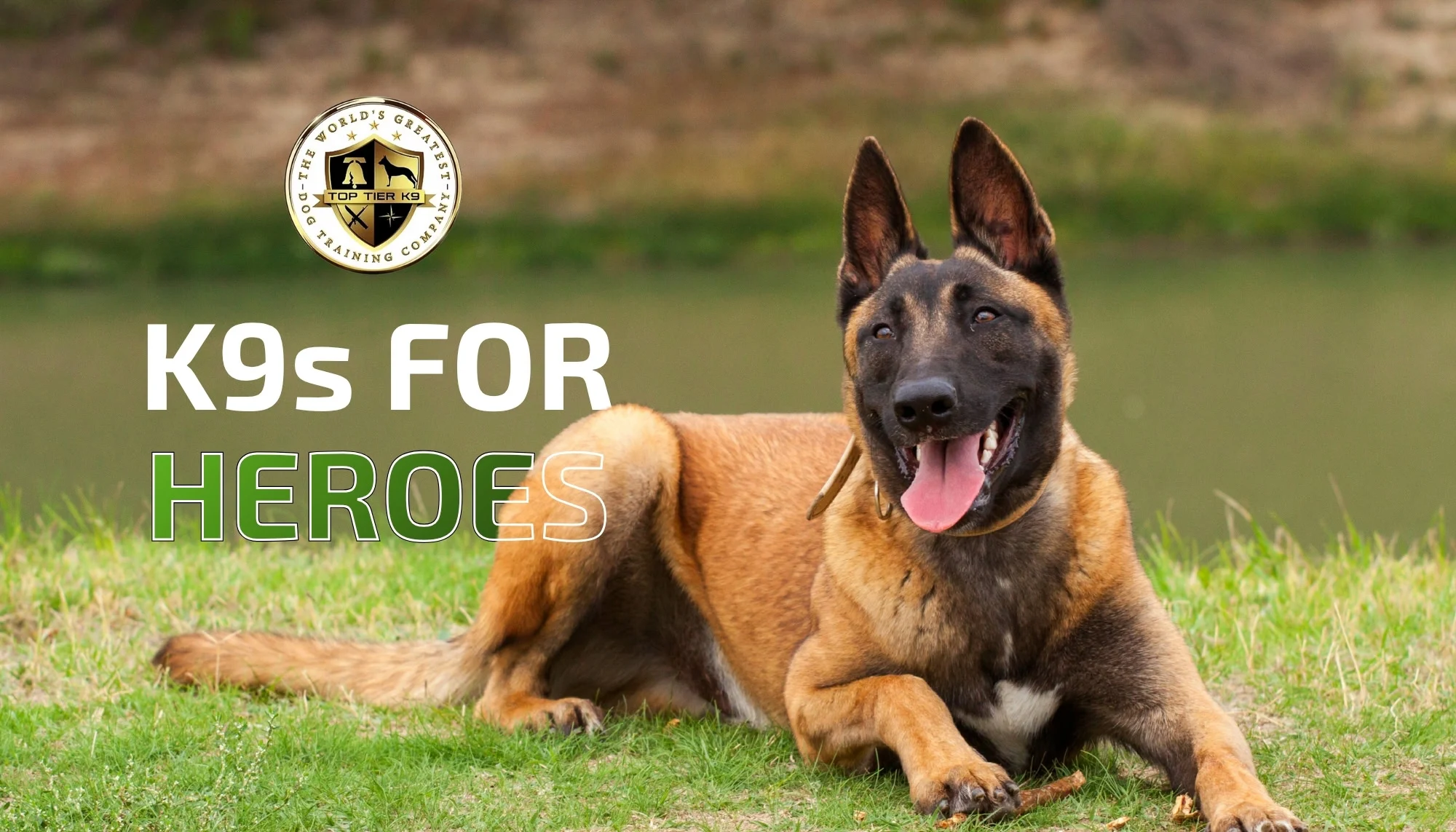
Veterans who've served their country often come home needing support that goes beyond what traditional resources can offer. Julie Madison, owner of Top Tier K9 in West Bradenton, is helping fill that gap. Through a partnership with Canines for Heroes, she's training Belgian Malinois for veteran support work, giving former service members the steady, skilled companionship they deserve.
Each of these dogs is nearly ready to graduate into service life, needing only a few weeks of hands-on training with their future handlers. Julie's goal is to connect them with local veterans who are ready to take that next step: building trust, learning together, and creating the kind of bond that changes both lives in the process.
A Structured Program Designed for Success
The Canines for Heroes program comes with clear expectations. Veterans who qualify receive one of the available dogs at no upfront cost, but they commit to completing the required training and following program guidelines.
Participants must stay in counseling, take part in community and fundraising events, and complete four to eight weeks of in-person training. There's a $5,000 exit fee if someone backs out after starting, which acts as a safeguard to help ensure applicants are serious about the work ahead.
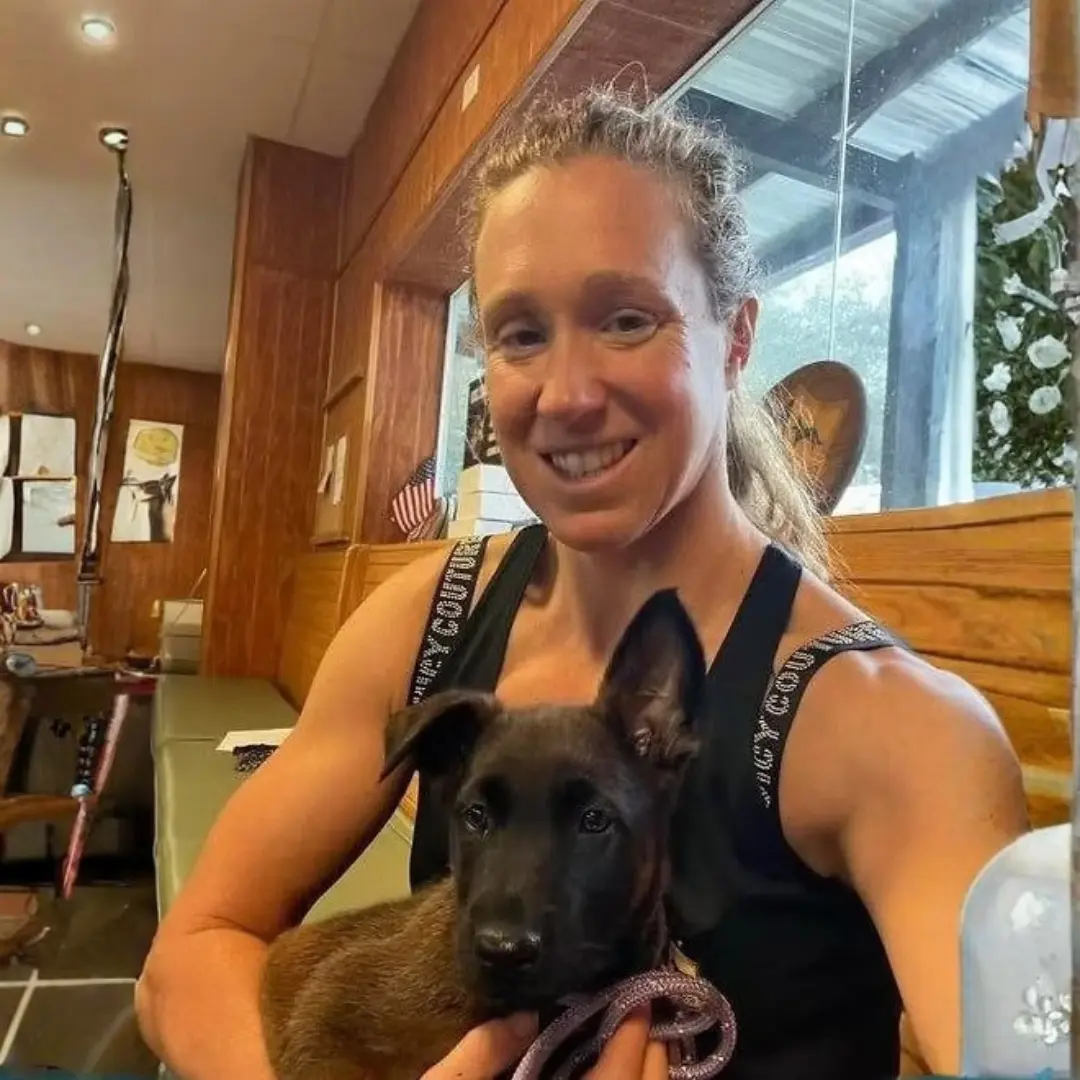
Julie's role is to bridge the gap between a well-trained dog and a confident handler. She works one-on-one with veterans during those critical weeks, teaching them how their dog thinks, how to read behavior, and how to build the kind of partnership that lasts.
The dogs in this program aren't puppies. They're mature adults between three and six years old with strong work ethics and stable temperaments. With a typical lifespan of 12 to 14 years, they can provide over a decade of reliable service.
Among the available dogs is an exceptional female Malinois with strong breeding and advanced public access training. "She's phenomenal in public, confident, and ready to get back to work," Julie says.
Teaching Veterans to Be Better Handlers
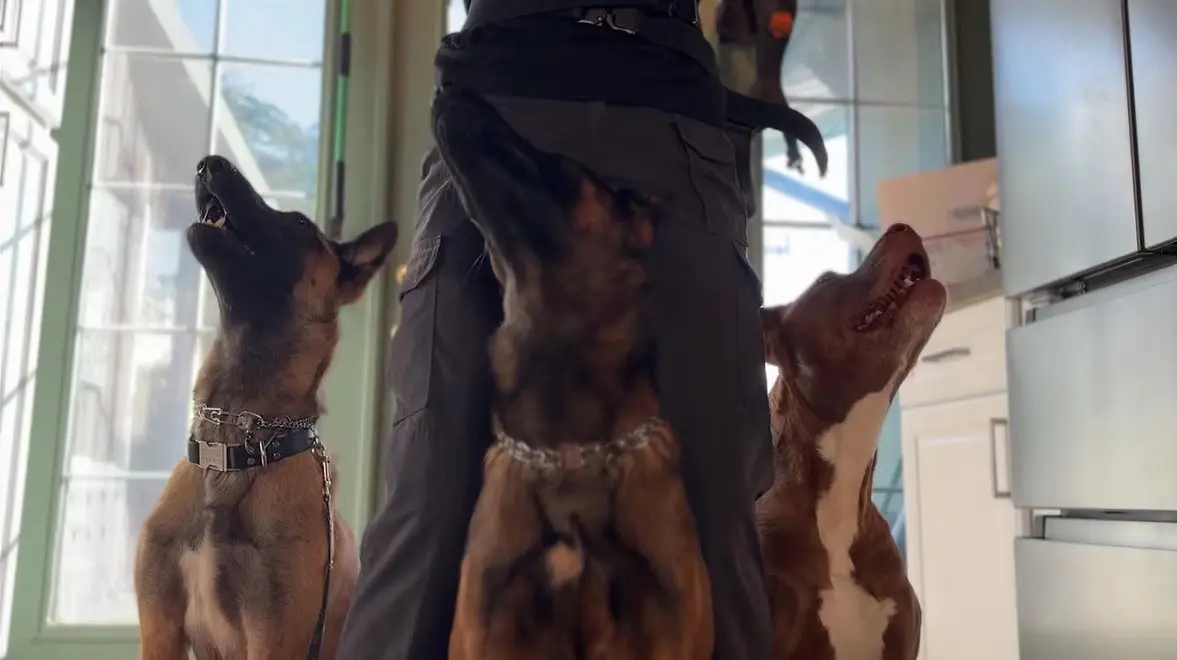
Julie's training goes beyond simple obedience commands. She teaches veterans how to read their dogs, recognizing when the dog is tired, identifying stress signals, and understanding when to pause instead of pushing forward.
She emphasizes spatial awareness. Apollo needs two to three feet of clearance because he's still a bit clumsy in his adolescence. Handlers have to think ahead, watching for narrow doorways, crowded aisles, and tight spaces where a big dog can accidentally knock things over.
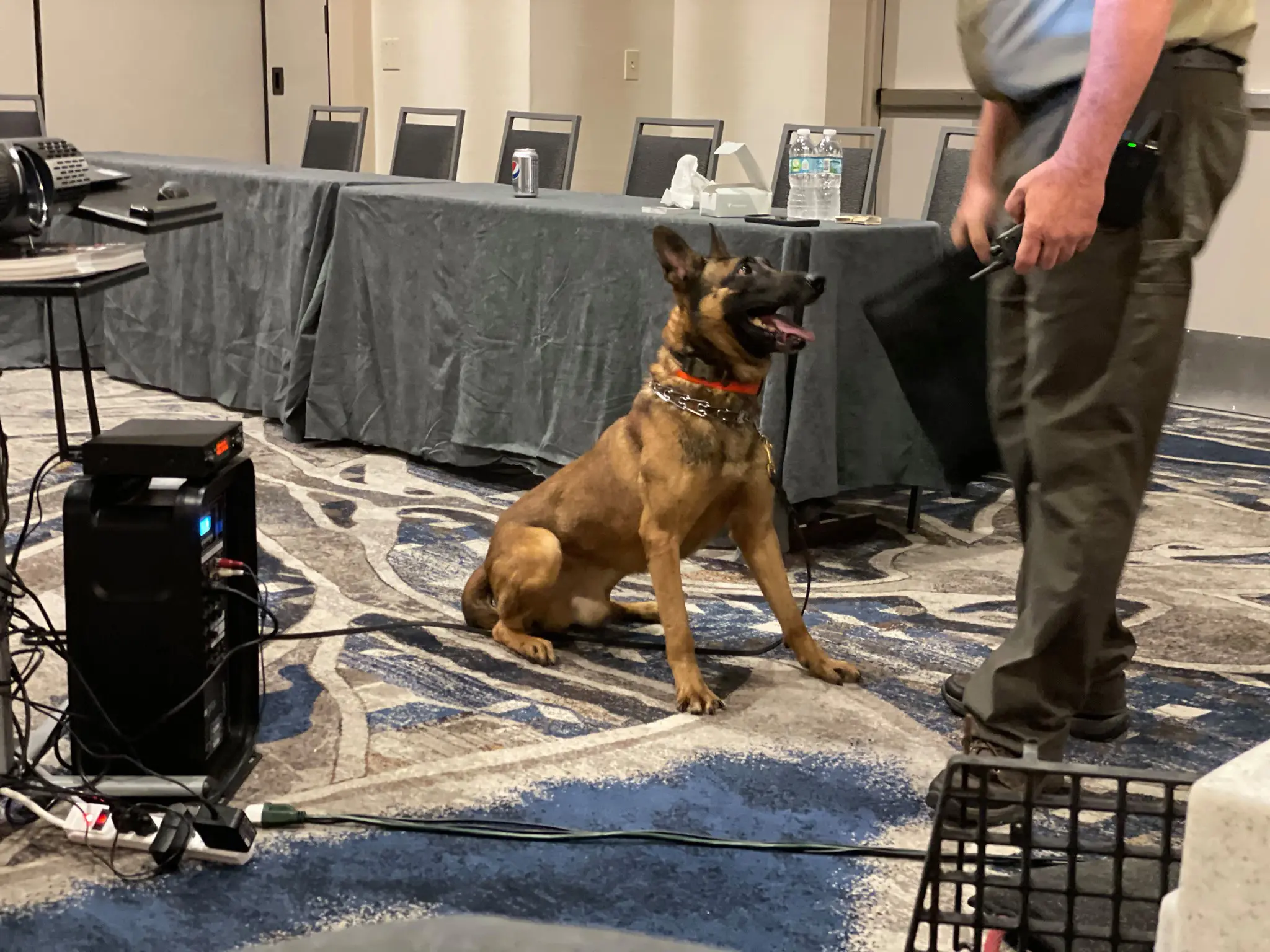
Public training is also a major part of the program. Julie brings her veteran clients and their dogs to community events where they practice working in high-distraction environments. "It's a huge jump from training in your neighborhood to working in public," she said. "But that's where real progress happens."
Making the Right Match
When it comes to service dog placement, Julie won't rush a match just to get a dog placed. She's learned that taking the time to find the right fit matters more than filling a spot quickly.
"It's not about getting the dog out the door," she said. "It's about finding the person who can truly work with that dog and give them the life they deserve."
She stays in close contact with veterans after placement, making sure the partnership grows stronger over time. Some pairs excel quickly. Others need more time to build trust. For Julie, patience and follow-through are everything.
"It's hard sometimes," she admitted. "These dogs bond deeply, and so do I. But when you see the right veteran and the right dog connect, it's worth every bit of effort."
A Full Schedule, a Clear Purpose
Running a training facility that handles both pet obedience and service dog work is no small operation. Julie currently works with eight families across different programs, and her days start at 4:30 in the morning.
She feeds, exercises, and rotates dogs for their morning sessions, handling each one individually to ensure safety and full attention. Between 8:00 and 11:00 a.m., she focuses on structured training. After a mid-day swim break, she's back for afternoon sessions.
The controlled, individualized system ensures every dog gets the consistency it needs to succeed. "You can't rush this kind of work," she said. "Each dog is different, and you have to meet them where they are."
For some, it's almost time to move onto the next chapter. Julie currently has three dogs trained and ready, now she needs three veterans who are ready to commit. For qualified applicants, this is a chance to gain a highly trained service dog without the typical upfront cost � and to work directly with a local trainer who'll be there through the entire transition.
A Lifelong Commitment to Dogs and People
Julie Madison's name has become synonymous with compassionate, effective dog training in Bradenton. Through Top Tier K9, she's helped transform family pets into well-behaved companions, and through Canines for Heroes, she's helping veterans rebuild confidence, independence, and connection.
Every success story begins with her simple belief: "Work the dog in front of you." It's a philosophy that applies just as much to people as it does to dogs, meeting each situation with patience, understanding, and respect.
For Julie, this isn't just about business. It's about doing the work that matters.
For information about Julie's programs or to inquire about service dog placement opportunities, contact her at (203) 733-7183 or reach out to mark@caninesforheroes.org | (941) 867-8325.